Eyebrow Microblading has taken the beauty world by storm, a semi-permanent solution for those who want fuller, more defined brows. This cosmetic treatment where pigment is implanted under the skin with a handheld tool creates natural-looking hair strokes that enhance the shape and fullness of the brows. It’s a total game changer for those with sparse, uneven or thinning brows, a long-lasting alternative to daily brow pencils and powders. But what’s the hype around microblading and why is it better than traditional brow tattooing?
Contents
- 1 What is Microblading
- 2 Microblading Before after
- 3 The Microblading Process
- 4 Benefits and Who’s Suitable
- 5 Risks and What to Consider
- 6 Aftercare and Maintenance
- 7 Costs and Availability
- 8 Advanced techniques and alternatives
- 9 Microblading on different skin types and colors
- 10 Choosing the right microblading technician
- 11 Bottom line
- 12 Microblading FAQs
What is Microblading
Microblading is a form of cosmetic tattooing but with a difference. Unlike the traditional tattoo gun that deposits ink deep into the skin, microblading is the manual implantation of pigment into the upper layers of the skin. This allows for finer, more precise hair-like strokes that mimic the natural hair of the brow, a more natural and less invasive treatment. The pigments used are also semi-permanent, which means they fade over time so you can adjust the shape and color at follow-up appointments.
Microblading has become so popular because it can create perfect brows that can really enhance your features. It’s not just about filling in gaps or adding a slight arch, it’s about creating the perfect brow shape that frames the face and boosts confidence. Whether it’s celebrities on the red carpet or everyday people going to the office, microblading has become a sought-after beauty treatment for all ages and lifestyles.
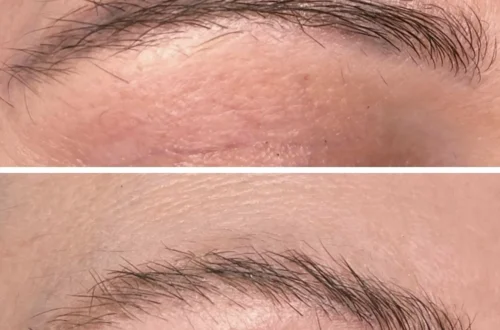
Microblading Before after



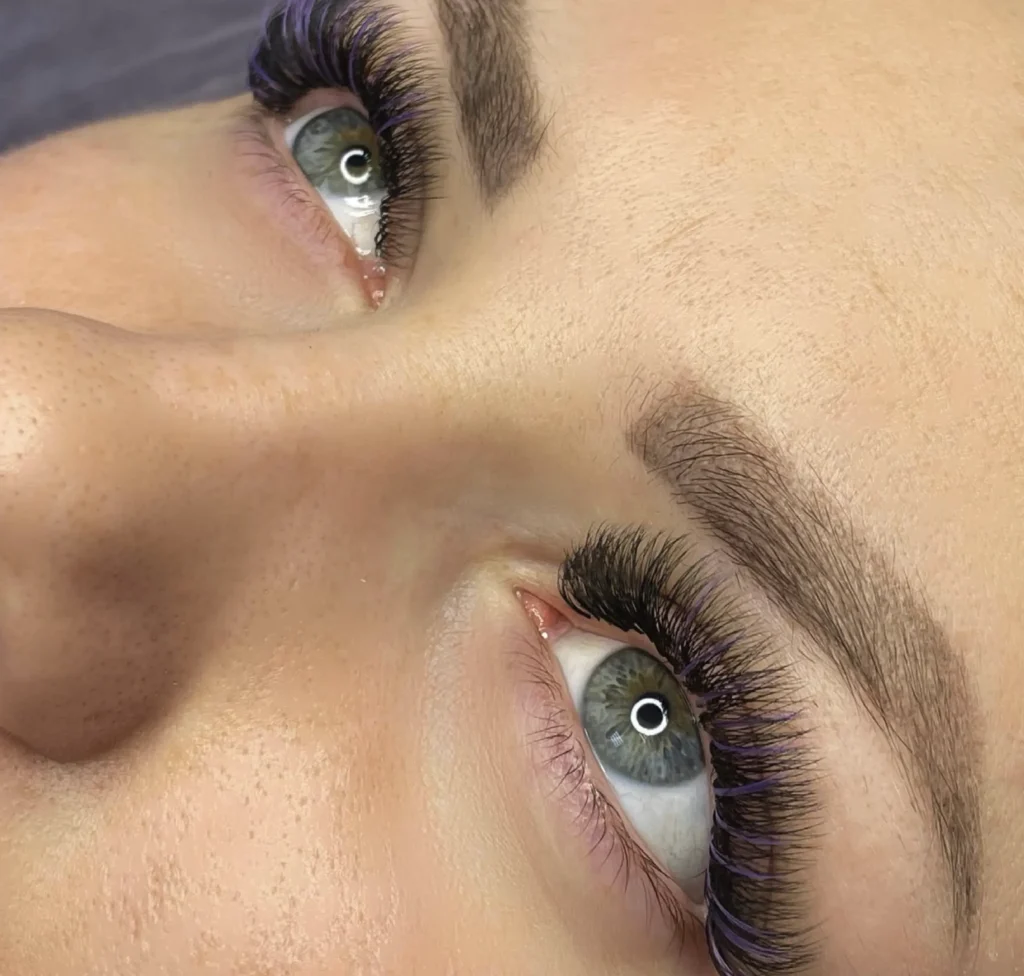

The Microblading Process
Understanding the microblading process is key if you’re considering this treatment. The first part of the process is a detailed consultation with a trained microblading technician. During this stage the brow shape and color is planned out based on your facial features, skin tone and personal preferences.
Consultation and Design
The consultation is more than just a chat; it’s a thorough approach to understanding what the client wants to achieve and how to get there. The technician will assess the natural brows, discuss possible shapes and often use tools to draw out the design directly on the skin. Clients are encouraged to bring in photos of brow shapes they like, but need to manage their expectations as results depend a lot on existing brow hair and facial symmetry.
The Microblading Treatment
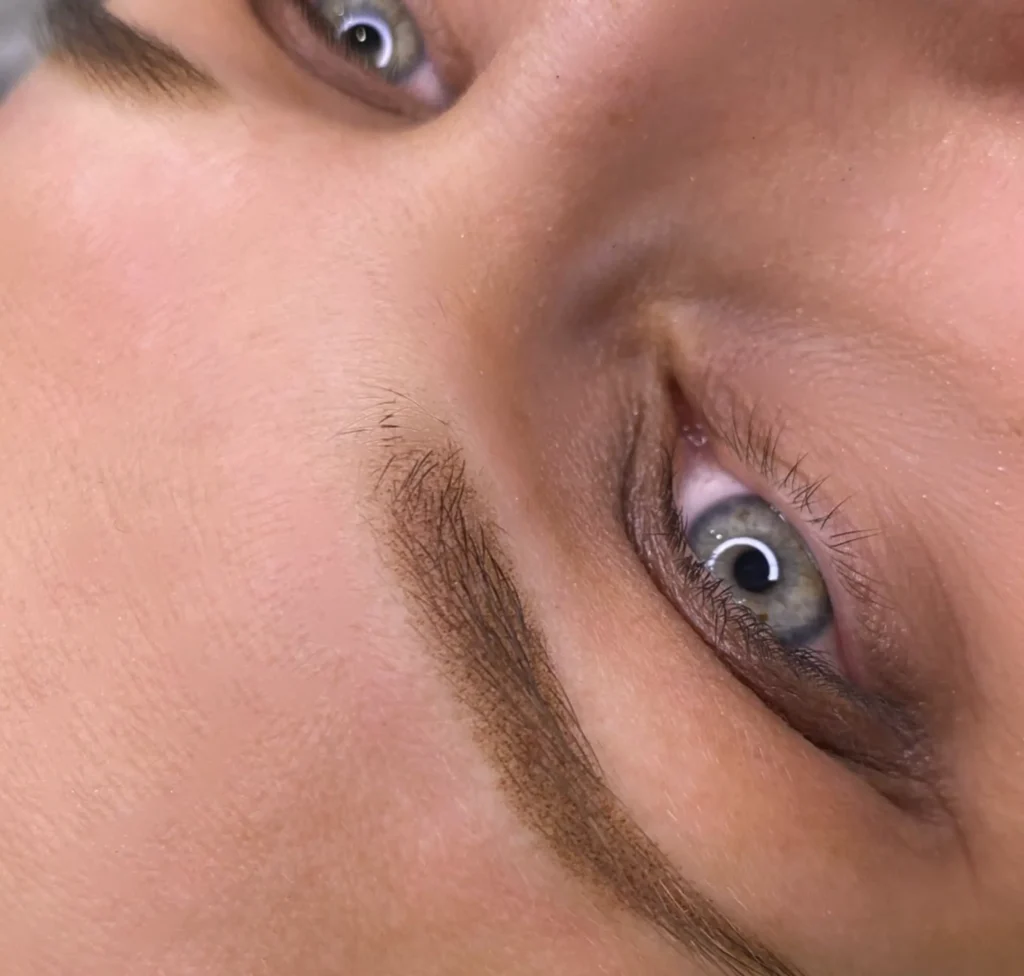
On the day of the treatment the area around the brows is cleaned and prepped with a numbing cream to reduce discomfort. The actual microblading involves a microblading tool with tiny needles that make up the blade. This tool is used to create fine, hair-like strokes that look super natural. Each stroke is placed carefully to follow the natural growth pattern of the brow hair so the results blend in with the existing brows.
Benefits and Who’s Suitable
Microblading has several benefits over traditional makeup or regular tattooing methods. One is it saves time on daily makeup routines. For those with active lifestyles or no time for makeup, microblading can give you defined brows that require little to no maintenance.
Who’s Suitable for Microblading
Ideal candidates for microblading are those with patchy, sparse or poorly shaped brows who want to improve their appearance with natural results. But it’s suitable for almost anyone who wants to enhance their brows, whether it’s a slight fill or a full brow reconstruction.
Benefits for Different Brows
Whether your brows are thin and sparse or thick and unruly, microblading can be customized for different hair and skin types. The technique is particularly good for those with hair loss or thinning due to medical conditions like alopecia or chemotherapy. It’s also great for those who have always relied on makeup to define their poorly shaped or non-existent brows.
Risks and What to Consider
As with any cosmetic treatment, microblading has its risks and considerations. While generally safe when done by a trained and experienced technician, there are potential side effects to be aware of.
Common Risks and Concerns
Infections, allergic reactions to the pigments and dissatisfaction with the results are some of the risks of microblading. Choosing a reputable technician who follows strict hygiene standards minimizes these risks. Clients also need to follow all aftercare instructions to ensure proper healing and prevent complications.
Pain and Discomfort during Microblading
The level of discomfort during microblading can vary. Most clients describe it as mild, like a light scratching. The numbing cream applied before and during the treatment helps to reduce most of the discomfort. But sensitivity can vary depending on individual pain tolerance and area of the brow being worked on.
Aftercare and Maintenance
Aftercare is key to the healing process and longevity of the microblading results. Following the technician’s aftercare instructions will ensure optimal healing and maintain the pigment color and stroke definition.
Healing Process and Aftercare Instructions
The healing period for microbladed brows is usually 6-8 weeks. During this time clients are advised to keep the brow area clean and dry, no water and sweat exposure. Applying the prescribed ointments or creams will help soothe the skin and aid in the healing process. Don’t pick at scabs or flakes that may form as this can cause pigment loss and uneven healing.
Long-term maintenance of microbladed brows
To maintain the look of the microbladed brows, touch-ups are recommended every 12-18 months. Sun exposure can cause the pigment to fade faster so applying a high-SPF sunscreen on the brows is advised when going out. Clients should also avoid using exfoliant creams around the brow area as this can increase the rate of pigment fade.
Costs and Availability
Costs can vary greatly depending on location, technician and complexity of the treatment. It’s an investment in yourself and finding the right provider is key to getting results worth the cost.
How much does microblading cost?
Microblading treatments can range from $500 to over $1,000. This includes the initial consultation, the microblading session and a follow-up appointment. Clients should consider the long-term benefits of the treatment versus the initial cost as microblading can reduce the need for daily eyebrow makeup.
Choosing the right microblading studio
When looking for a microblading studio (https://www.cosmetic-tattoo.com.au/microblading/), potential clients should research and choose studios with certified and experienced technicians. Reviews and before-and-after photos can give you an idea of the technician’s skill and style. Make sure the studio follows proper sanitation and safety standards to avoid any health risks.
Advanced techniques and alternatives
Microblading has evolved and there are now several advanced techniques and alternatives to cater to different aesthetic preferences and skin types. Each technique uses a different method of applying pigment to the skin, varying degrees of permanence and style to mimic the natural look of eyebrow hair more closely.
Microshading vs Microblading
Microshading (also known as the ‘shadow effect’) adds a soft, powder-like finish compared to the individual hair-like strokes of microblading. This is great for oily skin as this method lasts longer and fades less than traditional microblading. Microshading can also be combined with microblading to achieve a fuller and denser brow, suitable for those who want a more dramatic look.
Reversal
For those who are not comfortable with the semi-permanent nature of microblading, it’s good to know that the process can be reversed. Laser removal and saline correction can lighten or remove the microbladed pigment but multiple sessions may be required depending on the depth and shade of the original application.
Microblading on different skin types and colors
The results of microblading can vary greatly with different skin types and colors. This is important to know if you’re considering the treatment.
On different skin types
Oily skin types will fade faster as the excess oils can blur the strokes and make them lose their definition. Dry skin types will last longer and require less maintenance. Sensitive skin types should be careful as there is a higher risk of inflammation and irritation but a skilled technician can minimize these risks with proper technique and aftercare.
For different skin tones
For darker skin tones, choosing the right pigment color to match their natural undertones is crucial. Microblading pigments come in a wide range so every skin tone can find a match that looks natural yet distinct. The technician should have expertise in this area to avoid pigments that will heal too light or too dark which is a common concern.
Choosing the right microblading technician
Finding the right microblading technician is perhaps the most important step of the microblading process. The technician’s skill and experience will greatly impact the results.
What to look for?
A good microblading technician should have a portfolio of their work with before and after images of their clients. They should also have relevant certifications to prove their knowledge and adherence to safety standards. A good technician will also spend time consulting with clients to tailor the treatment to their face and personal preferences.
Reviews and testimonials
Potential clients should read reviews and ask for testimonials from previous clients to gauge the technician’s satisfaction level and professionalism. Word of mouth is often the best source of information and seeing it for yourself can give you peace of mind before committing to a treatment.
Bottom line
Microblading is a beauty treatment that can be life-changing for those who want to enhance or reconstruct their brows. While it requires some commitment, overall the benefits of having defined and natural-looking brows outweigh the initial cost and maintenance. But success depends on choosing an experienced technician who can customize the technique to your needs and follow safety protocols. As with any cosmetic treatment the key is to do your research and make informed decisions.
Microblading FAQs
| Question | Answer |
|---|---|
| Q1: How often do I need a touch-up after microblading? | A1: Touch-ups are recommended every 12 to 18 months to maintain the shape and color of the brows. But this can vary depending on skin type and lifestyle. |
| Q2: Is microblading for everyone? | A2: Microblading is for most people who want to enhance their brows. But those with skin conditions like eczema or rosacea near the brows or those who are prone to keloids should consult first. |
| Q3: What should I not do after microblading? | A3: After microblading don’t get the brows wet for at least a week, don’t go in direct sunlight, heavy exercise and don’t put makeup on the brow area to allow proper healing. |
| Q4: Can microblading look natural? | A4: Yes, when done by an experienced technician microblading can look very natural. The technique is designed to mimic natural eyebrow hairs so it’s hard to tell the difference between the tattooed strokes and real hairs. |